Gardening in Zone 4 can be challenging due to cold winters and shorter growing seasons. The following selections, including true roses and rose-like plants, are chosen for hardiness, bloom potential, and adaptability to cold climates. This guide highlights reliable options that either thrive in Zone 4 or come from reputable suppliers known for winter hardiness. Use the quick reference table to compare key traits at a glance.
| Product | Brand | Hardiness Info | Bloom Traits | Container Size |
|---|---|---|---|---|
| FLAVORETTE Honey-Apricot Rose | Hirt’s Gardens | Zone 4-8 | Orange flowers, rebloom potential | 4″ Pot |
| Twilight Zone Purple Rose Plant | Heirloom Roses | Zones 5-9 | Fragrant purple blooms | 1 gallon |
| Rise UP EMBERAYS Rose | Hirt’s Gardens | Zones 5-8 | Summer rebloomer, bright blooms | 4″ Pot |
| White Desert Rose Live Plant | Generic | Various, hardy indoors/outdoors | Elegant white trumpet blooms | 4-6 inches |
| Purple Pillar Hibiscus (Rose of Sharon) | Hirt’s Gardens | Zones 5-9 | Large purple blooms, shrubs | 4″ Pot |
Best Honey-Apricot Rose For Zone 4 Performance

The FLAVORETTE Honey-Apricot Rose from Proven Winners, offered by Hirt’s Gardens, is listed with a Growing Zone range of 4-8. This hardy range makes it a practical choice for Zone 4 gardeners seeking a compact rose with vibrant color. The orange-hued petals can provide a warm focal point in early-season beds or mixed borders. With a height typically around 3 to 4 feet, this cultivar balances visual impact with garden space that may be limited by shorter growing seasons. Gardeners should ensure winter protection, especially in regions at the northern edge of Zone 4.
Key attributes include a robust zone compatibility, striking color, and a manageable size for beds, borders, or container gardening. As with many roses, consistent mulch, proper drainage, and spring pruning will support strong growth after the winter months. For those prioritizing a Zone 4-friendly rose that offers lively color, FLAVORETTE can be a reliable option in a well-protected garden setting.
Purple Twilight Zone: A Purple Rose For Warmer Edges Of Zone 4
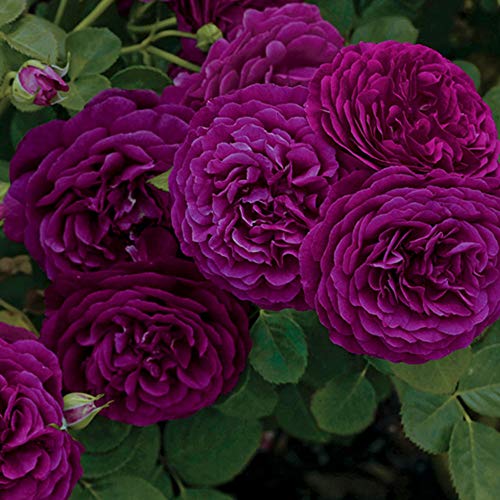
The Twilight Zone Purple Rose Plant from Heirloom Roses is described with the designation Own Root and 12-16 month old growing stock in one-gallon containers. While the hardiness range listed is Zones 5-9, its own-root quality can translate into robust, resilient growth and good bloom production once established. The purple, fragrant blooms offer a dramatic color contrast in a late-spring to summer palette, and owning-root roses tend to be more adaptable in varied soils. Zone 4 gardeners should provide winter protection and consider placing the plant in a sheltered microclimate within the garden or a protected container during cold snaps.
Consider this cultivar for Zone 4 gardeners who are expanding their rose collection and prepared for extra winter care. The strong root stock and mature plant size offer potential for significant spring bloom carryover when properly mulched and pruned.
Rise UP Emberays Rose: A Bright, Summer Reblooming Rose Option

The Rise UP EMBERAYS Rose, listed by Hirt’s Gardens, is noted for USDA Zones 5-8 (-20°F/-28°C) with a height of 3-5 feet and summer rebloom. While not officially rated for Zone 4, many Zone 4 gardens with microclimates or reliable winter protection may still support this cultivar with appropriate winter mulching and sheltered position. The strong rebloom characteristic makes it attractive for gardeners seeking extended color through the season, particularly in beds or larger containers where the plant can be sheltered from severe cold spells. If you live in a patch of Zone 4 that experiences milder winters, EMBERAYS could be considered as a long-season performer.
Consider this option for zones adjacent to Zone 4 or for those who can provide consistent winter care and protection from harsh winds. The combination of height and rebloom supports a striking focal point in perennial borders or feature planters.
White Desert Rose: A White Desert Rose For Containers And Beds

The White Desert Rose is a versatile, decorative plant listed by Generic. Described as a premium quality live plant suitable for containers and indoor decor, this White Desert Rose adds a bright, trumpet-shaped bloom and a distinctive succulent look. While not a traditional rose, it can complement a Zone 4 garden as a container specimen that can be moved indoors during severe cold spells. Its adaptability to different growing conditions—outdoors in sheltered beds or indoors in cooler months—makes it a flexible choice for gardeners seeking a resilient, low-maintenance option with striking floral accents.
When integrating a desert rose into a Zone 4 landscape, ensure well-draining soil, bright light, and careful watering. Seasonal protection and careful placement away from freezing winds will extend the plant’s vigor and aesthetic appeal in colder climates.
Desert Rose Range: Low-Maintenance Southern Favorite

The Double Yellow Desert Rose Plant by YOKEBOM showcases the Desert Rose (Adenium) as a flowering succulent option with low maintenance needs. Zones 10-11 are listed for this type of plant, with a note that it is hardy in very warm climates and can be grown indoors in cooler regions. Zone 4 gardeners should treat this as a decorative annual or a container plant that can be brought indoors during winter. It adds bright color and a unique form to garden aesthetics, especially in sunlit patios or bright conservatories. The plant thrives in dry conditions and requires careful watering to avoid root rot in cooler months.
Use this as a focal accent or accent plant for sun-drenched areas, rather than a hardier replacement for traditional Zone 4 roses.
Purple Pillar Hibiscus: Rose Of Sharon For Garden Drama

The Purple Pillar Hibiscus, or Rose of Sharon, from Hirt’s Gardens, is a 4″ pot plant with Zones 5-9 hardiness and a mature height of 10-16 feet in full sun. While this is not a true rose, it is frequently sought after by Zone 4 gardeners as a shrub with dramatic, large blossoms that can resemble rose-like drama in the landscape. Plant in a sheltered location where late frosts are less damaging, and provide regular watering during the hot months of summer. It serves as a versatile, long-blooming shrub that expands color palettes beyond traditional roses, suitable for mixed borders or as a privacy screen.
Zone 4 gardeners may opt for this plant in microclimates with milder winters or as a transitional, ornamental shrub when true roses are limited by climate. Consider the Hibiscus as an alternative flowering option when designing a Zone 4 garden with seasonal color variety.
Buying Guide: Key Purchase Considerations For Zone 4 Rose Gardening
- Hardiness zones and microclimates: Confirm the plant’s certified hardiness range and assess local winter wind exposure, snow cover, and soil drainage. Zone 4 gardens benefit from winter protection options like mulching and sheltered locations.
- Plant type and growth habit: True roses bring classic bloom and fragrance, while rose-like plants and shrubs (desert roses, hibiscus) offer color variety and season extension. Match the plant’s habit to available space (container vs. in-ground) and preferred maintenance level.
- Care requirements: Look for species with proven tolerance to cold snaps, drought resistance, and manageable pruning needs. Container plants require more frequent monitoring of moisture and root health in freezing temperatures.
- Soil and sun exposure: Most roses favor well-draining, fertile soil and full sun (6+ hours). Desert roses and succulents prefer bright light and well-drained soil, with less frequent watering.
- Winter protection strategies: Value plants that tolerate hardy zones but can benefit from burlap wraps, windbreaks, or mulching in the coldest months. Consider growing in protective pots that can be moved indoors.
- Aesthetics and bloom period: Decide whether early-season color, continuous rebloom, or dramatic late-summer blooms best fit your garden plan. Some varieties are repeat bloomers; others offer a showy single flush.
- Availability and sourcing: Rely on reputable sellers and live-plant shipping standards. For Zone 4, choosing reputable, hardy-root stock can improve success after the winter period.
In sum, Zone 4 gardeners can achieve satisfying color and garden structure by blending hardier true roses with complementary rose-like shrubs and desert roses. The selections above provide a mix of hardiness, bloom potential, and flexibility in container and landscape settings. Always tailor your plant choices to local microclimates and prepare for winter protection to maximize overwintering success.